%20(3).png)
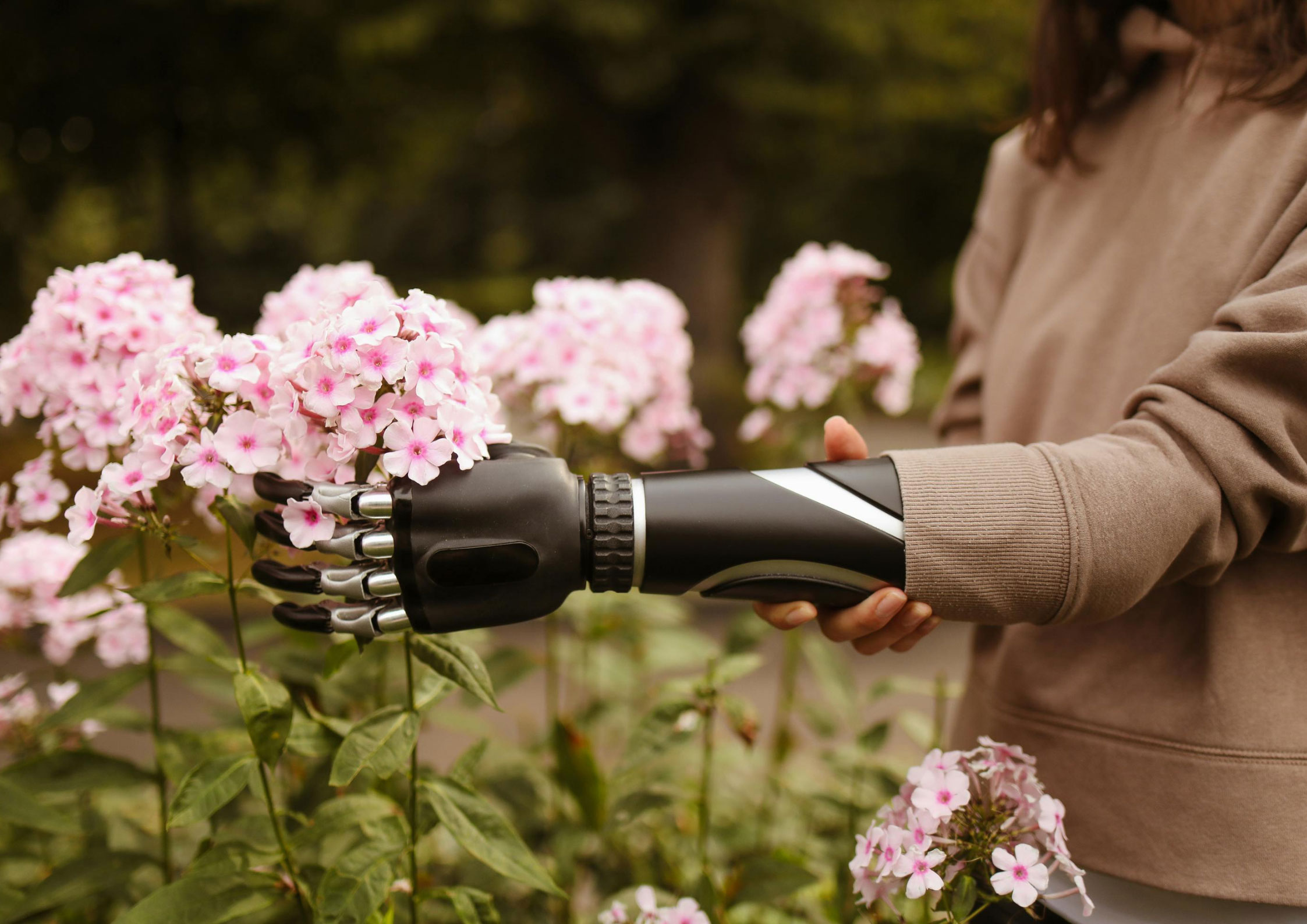
Choosing a prosthetic can feel overwhelming, especially if it's your first time. There's terminology to decode, funding to figure out, and a whole world of options you didn't know existed. Picking the right prosthetic depends on what you need it to do.
That's where our beginner's guide comes in. It walks you through the basics: understanding your limb difference, what to ask your clinician, how funding works, and what to look out for when comparing prosthetics.
01 - Understanding your limb difference
It's common to feel like there's only one path — but limb difference is individual. The right prosthetic for you depends on your body, your goals, and your life.
"Understanding your limb difference means getting curious about what youactually need— not measuring yourself against a standard someone else set."
It's common to feel like there's only one path — but limb difference is individual. The right prosthetic for you depends on your body, your goals, and your life.
02 - IMPROVING YOUR EXPERIENCE
A lot of people come to the prosthetics process feeling like they have to accept what they're given. But if something doesn't feel right — say so.
If it doesn't feel right, it probably isn't right for you. Push back.
Good clinicians want your feedback — because you're the one wearing it.
You can ask whether something different is possible. Many people don't know they can.
LimbMatch helps you understand your options before you sit down with anyone.

You can ask your prosthetist to tailor their approach to your access needs.You are the expert on your own body. LimbMatch is here to make sure that knowledge reaches the people who fit and design your device.
03 — GETTING THE BEST OUT OF YOUR SEARCH
Having clarity here will help you find more relevant results faster — and feel more prepared when you speak to a clinician.
"Read reviews from people with similar limb differences or lifestyles.Build your knowledge before you sit down with a clinician— so when you do, you're ready."
It's common to feel like there's only one path — but limb difference is individual. The right prosthetic for you depends on your body, your goals, and your life.
Use what you've learned to search devices, find a clinic, and make a decision built around you — not someone else's standard.